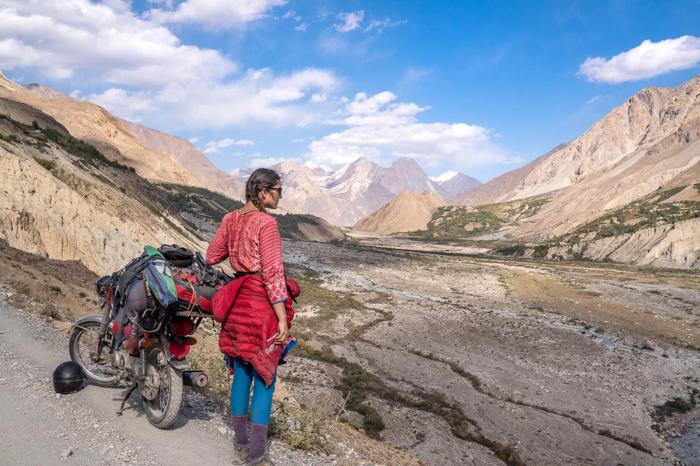
Asia beckons with its vibrant cultures, stunning landscapes, and surprisingly affordable travel options. Budget backpacking in Asia offers an incredible opportunity to experience the continent’s diversity without breaking the bank. This guide unveils the secrets to finding the best deals, from budget-friendly destinations and cheap flights to affordable accommodation and transportation, ensuring an unforgettable adventure.
We’ll explore practical tips and resources to help you plan your backpacking trip, including essential apps, packing lists, and safety advice. Discover hidden gems and lesser-known destinations, learn how to navigate different transport options, and understand the nuances of travel insurance and essential vaccinations. This comprehensive guide equips you with the knowledge and strategies to make your Asian backpacking adventure both affordable and enriching.
Best Budget Destinations in Asia for Backpackers
Asia offers a wealth of incredible experiences for budget-conscious travelers. From bustling cities to serene landscapes, the continent is brimming with opportunities to explore diverse cultures and stunning scenery without breaking the bank. This section highlights some of the best destinations for backpackers seeking affordable adventures.
Five Budget-Friendly Asian Countries for Backpackers
The following table Artikels the approximate costs associated with backpacking in five popular and affordable Asian countries. These figures are estimates and can vary depending on your travel style and the time of year. Remember to always factor in potential fluctuations in currency exchange rates.
| Country | Accommodation Cost Example (per night) | Food Cost Example (per day) | Transportation Cost Example (per day) |
|---|---|---|---|
| Vietnam | $5-15 (dorm bed in hostel to private room in guesthouse) | $10-20 (street food to mid-range restaurants) | $5-15 (buses and local transport) |
| Thailand | $5-20 (dorm bed to budget hotel) | $10-25 (street food to local restaurants) | $5-20 (buses, trains, and songthaews) |
| Laos | $5-15 (guesthouses and bungalows) | $8-15 (local markets and restaurants) | $5-10 (buses and slow boats) |
| Nepal | $5-15 (guesthouses and tea houses, especially outside Kathmandu) | $10-20 (Dal Bhat and local eateries) | $5-15 (local buses and occasional taxis) |
| Philippines | $5-15 (guesthouses and hostels) | $10-20 (local food and eateries) | $5-15 (buses, jeepneys, and ferries) |
Five Unique and Lesser-Known Backpacking Destinations in Asia
Beyond the well-trodden tourist paths, Asia offers a wealth of hidden gems perfect for budget travelers seeking authentic experiences.
These destinations offer unique cultural immersion and stunning natural beauty at a fraction of the cost of more popular spots.
- Sapa, Vietnam: Explore rice terraces and interact with local hill tribes in this stunning mountainous region.
- Pai, Thailand: A laid-back town nestled in the mountains, offering stunning scenery, waterfalls, and a relaxed atmosphere.
- Luang Prabang, Laos: A charming town with ancient temples, serene landscapes, and a peaceful atmosphere.
- Pokhara, Nepal: A gateway to the Annapurna region, offering stunning views of the Himalayas and opportunities for trekking.
- El Nido, Palawan, Philippines: Explore stunning lagoons, hidden beaches, and limestone cliffs by boat – a paradise for budget-conscious adventurers who are happy to travel by public transport.
Two-Week Backpacking Itinerary: Vietnam
This itinerary focuses on exploring Northern Vietnam, balancing cultural experiences with natural beauty. This is a suggested itinerary and can be adjusted based on your interests and budget.
This itinerary prioritizes budget-friendly options, including public transport and locally-owned guesthouses. Daily budgets are estimates and can vary.
| Day | Location | Activities | Estimated Daily Budget |
|---|---|---|---|
| 1-3 | Hanoi | Explore Old Quarter, visit temples, enjoy street food | $30 |
| 4-5 | Ha Long Bay | Cruise through the stunning bay, kayak, swim | $40 |
| 6-8 | Sapa | Trek through rice terraces, visit local villages | $35 |
| 9-11 | Hoi An | Explore ancient town, get clothes tailored, relax on the beach | $30 |
| 12-14 | Hue | Visit Imperial City, explore tombs, enjoy the Perfume River | $25 |
Essential Travel Information and Resources for Backpackers
Navigating the vibrant tapestry of Asia as a backpacker requires careful planning and resourcefulness. This section provides crucial information and resources to ensure a smooth and enriching journey, maximizing your budget and minimizing potential hassles. We will cover essential apps, packing essentials, and a sample packing list to help you prepare for your adventure.
Essential Travel Apps for Backpackers in Asia
Choosing the right apps can significantly enhance your backpacking experience in Asia. These digital tools offer convenience, cost savings, and peace of mind. They can help you navigate unfamiliar cities, communicate effectively, and manage your finances efficiently.
- Google Translate: This app is indispensable for overcoming language barriers. Its offline translation feature is particularly useful in areas with limited internet access. It offers instant translation of text, images, and even spoken words, allowing for seamless communication with locals.
- Grab/Gojek: These ride-hailing apps are widely used across Southeast Asia, offering a safe and affordable alternative to taxis. They are significantly cheaper than taxis and provide a convenient way to get around, especially in bustling cities.
- Maps.me: This offline map app allows you to download maps of regions beforehand, eliminating the need for constant internet access for navigation. Its functionality is particularly valuable in areas with unreliable or expensive data connections.
- XE Currency Converter: Accurately converting currencies is crucial for budget travel. This app provides real-time exchange rates, helping you make informed spending decisions and avoid overspending.
- Booking.com/Hostelworld: These apps allow you to easily search and book budget-friendly accommodation options like hostels and guesthouses, often offering last-minute deals and comparing prices across different platforms.
Essential Packing Items for Backpackers in Asia
Packing light and smart is paramount for backpackers. Choosing versatile, durable, and cost-effective items can significantly impact your travel experience. These items are selected for their versatility and cost-effectiveness, ensuring you are prepared for a range of situations without overspending.
- Lightweight Backpack (40-50 liters): A good quality backpack is an investment that will last. A well-fitting, comfortable backpack is essential for carrying all your belongings comfortably. Prices range from $50 to $150 depending on features and brand.
- Quick-Drying Clothing: Opt for lightweight, breathable clothing made from materials like merino wool or synthetic fabrics. These fabrics dry quickly, crucial in humid climates, and reduce the amount of clothing you need to pack.
- Versatile Scarf/Sarong: A versatile scarf or sarong can serve multiple purposes: as a head covering, a shawl, a makeshift beach towel, or even a privacy screen in shared accommodation. They are lightweight, inexpensive, and easily packable.
- Universal Travel Adapter: Asia has a variety of power outlets. A universal adapter ensures your electronics are compatible with local power sources, avoiding the need to buy multiple adapters.
- Reusable Water Bottle: Staying hydrated is crucial, especially in warmer climates. A reusable water bottle helps reduce plastic waste and saves money compared to constantly buying bottled water.
Sample Packing List for a Two-Week Backpacking Trip
This sample packing list provides a framework for your own packing, adapting it to your specific needs and preferences. Remember that the costs are estimates and can vary depending on the brand and where you purchase the items.
| Item Category | Item List with Estimated Cost |
|---|---|
| Clothing | 3 t-shirts ($15), 2 pairs of shorts ($20), 1 pair of long pants ($25), 1 lightweight fleece ($30), 1 pair of hiking shoes ($60), 1 pair of sandals ($20), Underwear and socks ($20)
Total $190 |
| Toiletries | Travel-sized toiletries (shampoo, conditioner, soap, toothpaste, toothbrush) ($20), Sunscreen ($15), Insect repellent ($10)
Total $45 |
| Electronics | Phone, charger, portable power bank ($30), universal travel adapter ($15)
Total $45 |
| Documents & Money | Passport, visa (if required), copies of important documents, credit cards, some local currency ($50)
Total $50 (variable) |
| Other Essentials | Small backpack/daypack ($25), reusable water bottle ($10), first-aid kit ($15), padlock ($10), sarong/scarf ($10)
Total $70 |
Safety and Insurance for Budget Backpackers
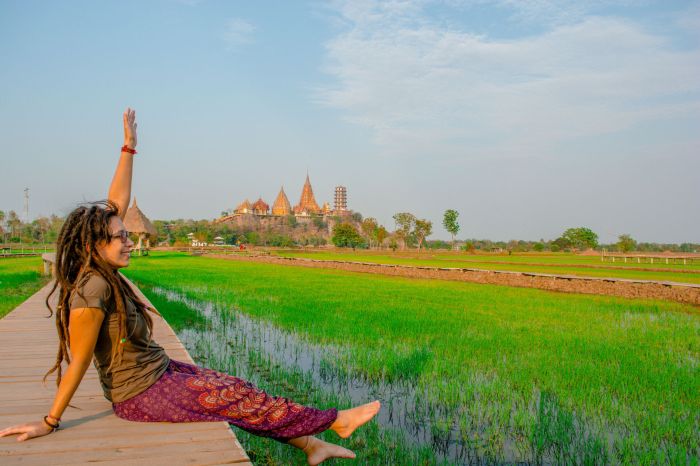
Backpacking through Asia on a budget is an incredible experience, but it’s crucial to prioritize safety and well-being. Understanding the importance of travel insurance and taking proactive steps to protect yourself are essential components of a successful and enjoyable trip. Failing to do so can lead to significant financial burdens and potentially dangerous situations.Travel insurance provides a crucial safety net for unexpected events.
It can mitigate the financial impact of medical emergencies, lost belongings, trip cancellations, and other unforeseen circumstances. Choosing the right policy is key, and the cost will vary depending on the level of coverage and the duration of your trip.
Travel Insurance Coverage and Cost
Comprehensive travel insurance for backpacking in Asia should ideally cover medical emergencies, including evacuation, hospitalization, and repatriation. It should also offer coverage for lost or stolen belongings, trip cancellations or interruptions, and potential liability issues. Costs typically range from a few dollars per day for basic coverage to significantly more for comprehensive plans. Factors influencing cost include the length of your trip, your destination’s risk profile, the level of coverage you choose (e.g., basic, standard, premium), and your age.
Comparing quotes from multiple insurers is highly recommended to find the best value for your needs. Consider the potential costs of medical emergencies in Asia; even a minor injury can quickly become expensive without insurance.
Practical Safety Tips for Backpacking in Asia
Prioritizing personal safety is paramount when backpacking in Asia. Many regions are safe, but awareness and precaution are essential.
- Be aware of your surroundings: Avoid walking alone at night in poorly lit areas, especially in unfamiliar cities. Stick to well-lit and populated streets.
- Secure your belongings: Use secure locks on your luggage and keep valuables close to you at all times. Be mindful of pickpockets in crowded areas.
- Copy important documents: Make copies of your passport, visa, and other essential documents and store them separately from the originals. Consider scanning them and emailing them to yourself.
- Inform someone of your itinerary: Share your travel plans with a friend or family member, including your accommodation details and expected return dates.
- Learn basic local phrases: Knowing a few basic phrases in the local language can be helpful in navigating unfamiliar situations and demonstrating respect for local customs.
- Respect local customs: Research and understand the local customs and traditions of the places you visit. Inappropriate behavior can lead to misunderstandings or even dangerous situations.
- Use reputable transportation: Opt for established transportation services rather than unregulated options. Be cautious of scams or unsafe vehicles.
- Trust your instincts: If a situation feels unsafe or uncomfortable, remove yourself from it immediately.
Potential Health Risks and Preventative Measures
Asia presents various health risks for travelers, ranging from common illnesses to more serious conditions.
- Food and waterborne illnesses: These are common in many parts of Asia. Drink bottled water, avoid uncooked or undercooked food, and be cautious about ice in drinks.
- Mosquito-borne illnesses: Dengue fever, malaria, and Zika virus are prevalent in certain regions. Use mosquito repellent, wear long sleeves and pants in the evenings, and consider using mosquito nets.
- Other infectious diseases: Hepatitis A and Typhoid are also potential risks. Vaccinations are recommended for these, along with other routine vaccinations.
Consult your doctor or a travel clinic well in advance of your trip to discuss necessary vaccinations and recommended preventative measures. They can advise on appropriate medications and provide guidance on staying healthy during your travels. Remember that preventative measures are far more effective and cost-efficient than dealing with health issues while traveling.
Exploring Travel Blogs and Guides for Asia
Planning a budget backpacking trip to Asia requires thorough research, and leveraging online resources and printed guides is crucial. Travel blogs offer real-time experiences and diverse perspectives, while guidebooks provide structured information and detailed maps. Understanding the strengths and weaknesses of each resource allows for a more comprehensive and efficient planning process.This section examines three reputable travel blogs focused on budget backpacking in Asia, compares their coverage of a specific destination, and highlights the unique value of traditional travel guides.
Reputable Travel Blogs for Budget Backpacking in Asia
Choosing reliable sources is paramount. The following three blogs consistently provide valuable insights for budget travelers in Asia, although each has its own strengths and limitations.
- The Broke Backpacker: Strengths include its extensive coverage of Southeast Asia, detailed budget breakdowns, and engaging writing style. Weaknesses can be its occasional reliance on sponsored content and a focus on party-oriented activities, which may not suit all travelers.
- NOMADasaurus: This blog offers a well-balanced mix of budget travel tips, cultural insights, and stunning photography. Strengths lie in its in-depth destination guides and practical advice on navigating various transportation options. A potential weakness is its less frequent updates compared to some other blogs.
- Travelfish: Primarily focused on Southeast Asia, Travelfish excels in providing up-to-date information on local conditions, including visa requirements and transportation changes. Its strength lies in its practicality and focus on responsible travel. A weakness might be its less visually appealing design compared to other blogs.
Comparative Analysis: Budget Accommodation in Bangkok
Let’s compare these blogs’ information on budget accommodation in Bangkok. The Broke Backpacker might highlight hostels in Khao San Road, emphasizing their social atmosphere and affordability, potentially mentioning specific hostel names and price ranges. NOMADasaurus could offer a broader perspective, including options beyond Khao San Road, perhaps suggesting guesthouses in quieter neighborhoods and providing links to booking platforms. Travelfish might focus on the value-for-money aspect, comparing different types of budget accommodation and highlighting those with good safety ratings and reliable transport links.
While all three blogs would likely cover budget accommodation, their emphasis and approach would differ based on their unique perspectives.
Useful Information in Travel Guides for Budget Backpacking in Asia
Travel guides offer valuable information beyond what’s readily available online. For instance, a guidebook might include detailed offline maps, crucial for areas with unreliable internet access. They often provide context-rich background information on culture and history, enhancing the travel experience. Further, they may contain curated lists of local restaurants and shops, catering specifically to budget travelers, offering insights into authentic experiences beyond tourist traps.
A well-researched guidebook might even include practical tips on navigating local transportation systems, including schedules and fare structures, which are often less comprehensively covered in online blogs. For example, a guide might detail the intricacies of using local buses in Vietnam or navigating the BTS Skytrain in Bangkok, providing valuable, detailed information beyond a simple online search. The value of a well-chosen guidebook lies in its curated, reliable, and offline accessibility.
Understanding Travel Deals, Essentials and Gadgets
Navigating the world of budget travel requires understanding how to find and utilize the best deals. This section will explore different types of travel deals, strategies for minimizing expenses, and essential gadgets that can enhance your backpacking experience in Asia. Effective planning and smart choices can significantly reduce your overall travel costs, allowing you to explore more and spend less.
Types of Travel Deals
Different types of travel deals cater to various travel styles and planning approaches. Understanding these differences is crucial for finding the best fit for your backpacking trip.
- Package Deals: These bundles often combine flights and accommodation, sometimes including activities or transfers. While convenient, they may not always offer the best value if you’re flexible with your travel dates or destinations. For example, a package deal to Bangkok might include a flight and a 3-night stay at a specific hotel, limiting your options and potentially costing more than booking separately if you find cheaper flights or accommodation.
- Last-Minute Deals: Airlines and hotels often reduce prices on unsold inventory close to the departure date. These deals can offer significant savings, but require flexibility and the willingness to travel spontaneously. For instance, a last-minute flight from Kuala Lumpur to Chiang Mai might be 50% cheaper than booking several weeks in advance.
- Early Bird Discounts: Booking flights and accommodation well in advance can often unlock substantial discounts. Airlines and hotels reward early bookings with lower prices to secure revenue early in their sales cycle. Booking a flight from Seoul to Hanoi six months in advance might save you 20-30% compared to booking just a month before.
Utilizing Travel Deals to Minimize Expenses
Effective utilization of travel deals requires strategic planning and a willingness to be flexible.By comparing prices across multiple booking platforms (such as Skyscanner, Google Flights, Booking.com, Agoda), you can identify the best deals for flights and accommodation. Consider travelling during the shoulder seasons (periods between peak and off-season) for lower prices on flights and accommodation. For example, travelling to Southeast Asia in April or May (shoulder season) will likely yield cheaper flights and hotel rooms than during peak season (December-February).
Being flexible with your travel dates – even by a day or two – can also unlock significant savings.
Useful Travel Gadgets for Backpackers
Investing in a few carefully selected gadgets can significantly enhance your backpacking experience while remaining cost-effective in the long run.
- Portable Power Bank (approx. $20-$50): Essential for charging your phone, camera, and other devices on the go, especially in areas with limited access to power outlets. A high-capacity power bank can easily last for multiple days.
- Universal Travel Adapter (approx. $10-$20): Avoids the hassle of purchasing separate adapters for each country you visit, ensuring you can charge your devices anywhere. A multi-region adapter is a worthwhile investment.
- Headlamp or Flashlight (approx. $10-$30): Provides hands-free lighting in dark situations, such as navigating unfamiliar streets at night or finding your way in a hostel dorm. A lightweight and rechargeable headlamp is ideal.
- Packing Cubes (approx. $15-$30): These compressible cubes help organize your backpack, maximizing space and making it easier to find items. They are especially useful for separating clothes, toiletries, and other essentials.
- Water Purifier Bottle (approx. $30-$60): Allows you to safely drink tap water in many locations, saving money on bottled water and reducing plastic waste. A filter bottle with a UV sterilizer offers the best protection.
Backpacking through Asia on a budget is achievable and incredibly rewarding. By utilizing the strategies and resources Artikeld in this guide, you can craft an unforgettable journey that balances cultural immersion with financial responsibility. Remember to prioritize safety, research your destinations thoroughly, and embrace the unexpected—the most memorable travel experiences often arise from spontaneity and a willingness to adapt.
So pack your bags, embrace the adventure, and discover the magic of Asia on a budget.
Answers to Common Questions
What’s the best time to travel to Southeast Asia for budget travelers?
Generally, the shoulder seasons (April-May and September-October) offer a balance of pleasant weather and fewer crowds, resulting in lower prices.
How can I avoid scams while backpacking in Asia?
Be wary of overly friendly strangers offering unsolicited help, verify prices before agreeing to services, and use reputable transportation options.
What vaccinations are recommended for backpacking in Asia?
Consult your doctor well in advance of your trip. Common recommendations include Hepatitis A & B, Typhoid, and possibly Japanese Encephalitis depending on your itinerary.
Is it safe to use local transportation in Asia?
Generally yes, but exercise caution and be aware of your surroundings. Stick to well-lit and populated areas, especially at night.
How much spending money should I budget per day?
This varies greatly depending on your destination and travel style, but $30-$50 per day is a reasonable estimate for many areas, allowing for flexibility.